
This is an opportunity for you to experience a broad spectrum of dance styles, allowing us to focus on a specific style in the future. The objective is to learn and enhance your techniques, and at times, we may engage in choreography practice as well
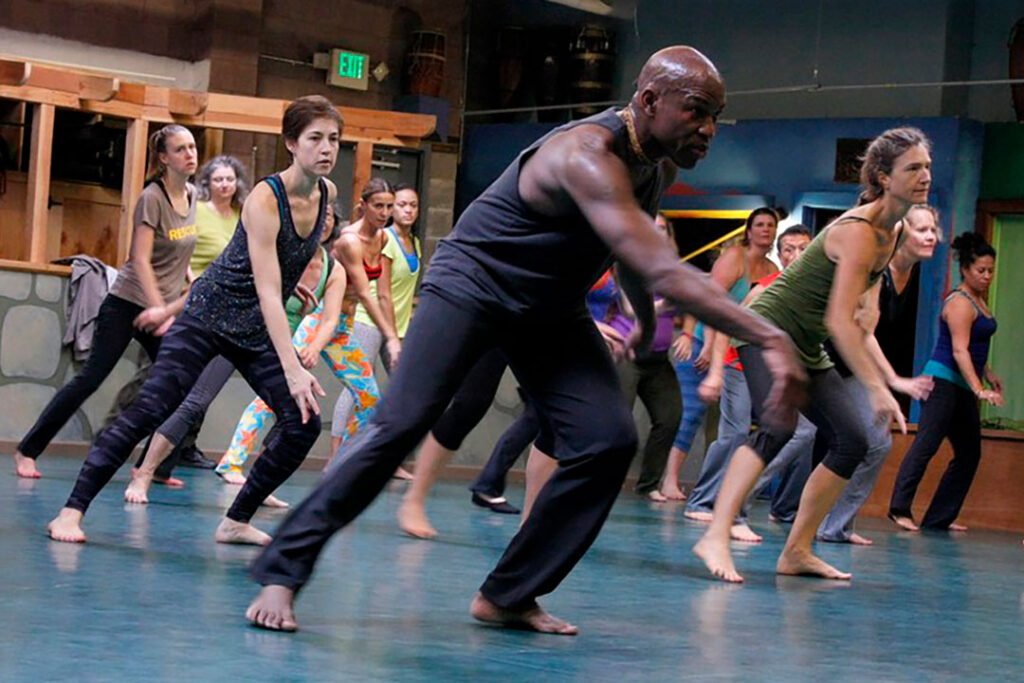
This class offers a diverse integration of various Brazilian dance styles. We will commence with a comprehensive warm-up and stretching session, followed by an exploration of different dance forms. Although we will focus on a wide array of styles, including Samba, Afro, Frêvo, and Samba Reggae, each class will present a unique experience. While we will refine key steps, new music and movements will be introduced in every session.
Ballet-Afro
Ballet-Afro is a fusion of various African dance styles blended with elements of modern dance. Unlike traditional dances from specific countries such as Senegal or Congo, this genre encompasses a broader spectrum of movements. Additionally, you may encounter dances that are connected to certain Orixas (deities in African religions), although not all instructors incorporate these aspects into their teaching.
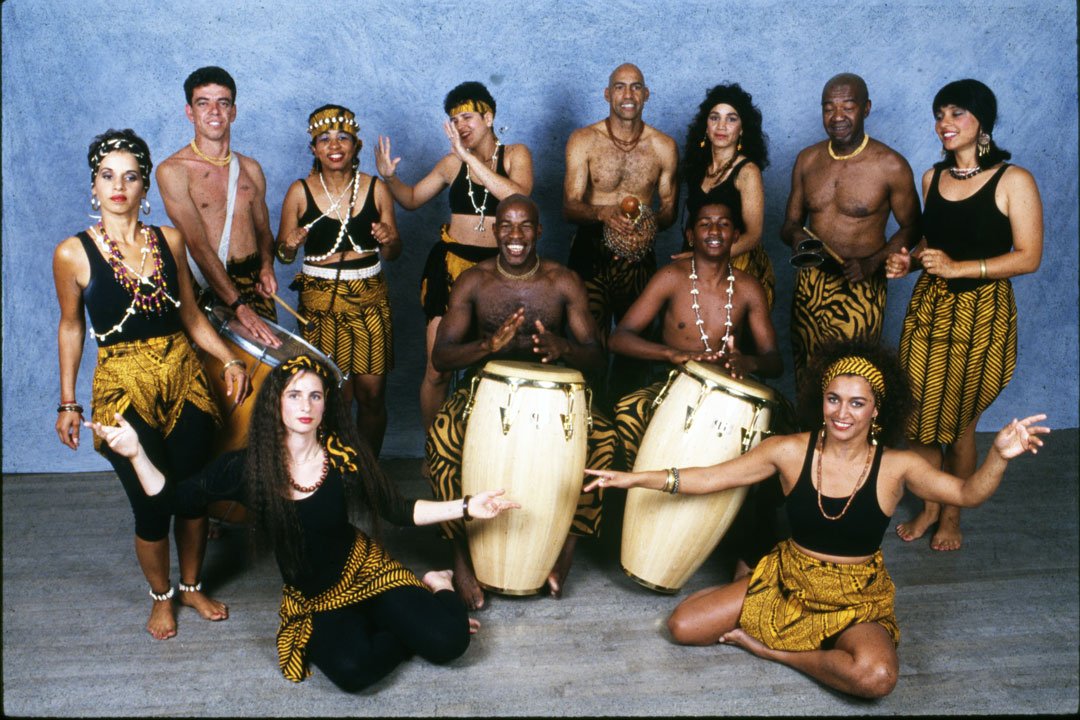
n this class all will be teaching the style that I learned by the professor “Gilberto de Assis”. A dance and choreographer well known in Brazil, mainly in Rio de Janeiro. Gilberto graduated many professionals and has his choreography spreaded in many places in the world.
Samba no Pé
“Samba no pé,” a term meaning “Samba on feet,” refers to a distinct style of samba originating in Rio de Janeiro. A performer of this style during Carnaval is known as a “passista,” which can refer to both male and female dancers. Mastering samba no pé requires considerable time and practice due to its intricate details and rapid tempo. It is essential to coordinate the arms and feet while simultaneously moving the hips in various directions.
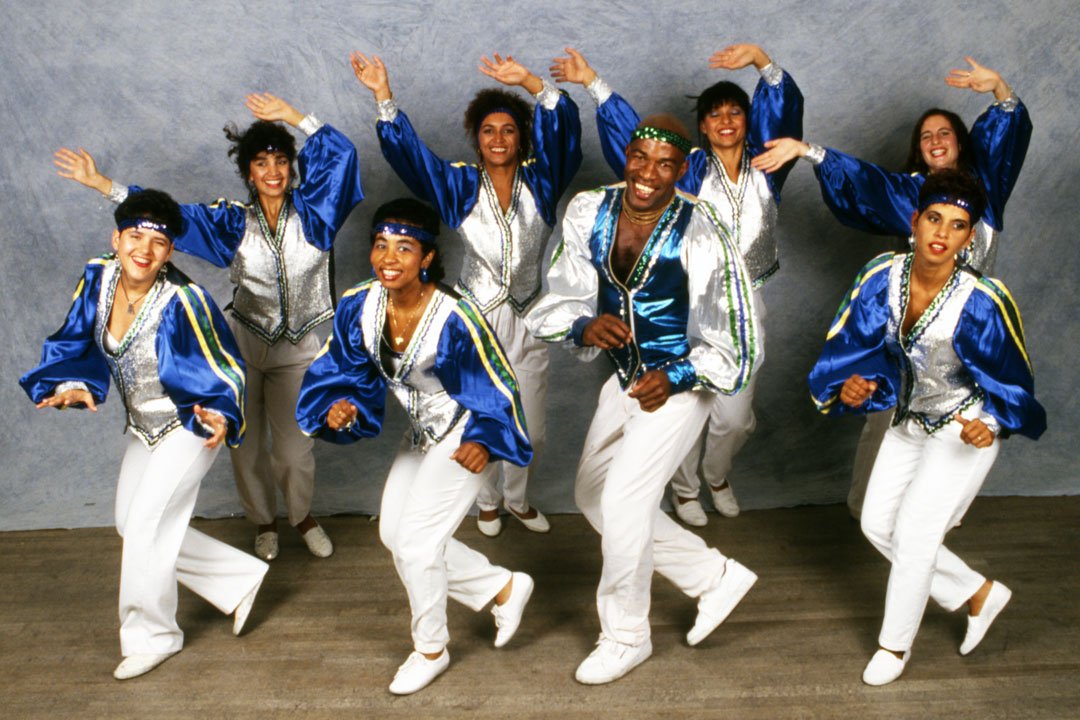
In this class, you will learn the fundamentals of samba steps. I will deconstruct the movements to ensure you feel comfortable and confident in your learning process. It is important to recognize that every body is unique, leading to variations in how dancers express the steps. Additionally, the individual’s persona plays a significant role in the dance, shaping their performance and connection to the art form.